

Vima Color Changing Foundation:
Full Review and Comparison
Vima targets the budget segment of the color changing foundation market. Here is what it delivers, where it cuts corners, and how it stacks up against alternatives at different price points.
Disclosure: Lindalia sells a color changing foundation. This review of Vima is based on available product information and user feedback. We aim to be fair and accurate, not promotional for our own product at the expense of honest assessment.
Vima is one of several brands that entered the color changing foundation space at a budget price point, targeting buyers who want to try the adaptive concept without a significant financial commitment. At its price, the question is not whether it delivers the best result in the category. It is whether it delivers enough to be worth the cost.
Brand and Product Overview
Vima is a smaller cosmetics brand that sells primarily through online marketplaces. The color changing foundation is its most visible product and appears to have been developed specifically to capitalize on search volume for the "color changing" category term. The product is typically priced at $10-18 and comes in a liquid format.
The packaging is minimal. There is no integrated applicator. The formula consistency is reported as watery to thin by most users, which makes it closer to a tinted moisturizer in texture than a traditional foundation.
What the Formula Actually Does
Based on ingredient list analysis and user reports, Vima's color changing mechanism appears to rely on color-reactive dyes that shift from a light base on contact with skin oils and moisture. This is a basic implementation of the category concept and is less sophisticated than pH-responsive encapsulated pigment technology.
The color shift is visible but appears to produce similar results across users rather than genuinely individualizing to skin chemistry. Reviews from users with warm light skin describe results they are broadly satisfied with. Reviews from users with cool undertones, neutral skin, or medium to deep tones describe results ranging from "fine but not a match" to significantly wrong undertone shifts.
Reactive dyes in a foundation formula change color when they contact moisture, oil, or a specific pH environment on the skin. The change is fairly uniform across individuals because skin moisture and oil are present in most users. This produces a consistent color shift, but not a personalized one. Encapsulated pigments release based on each individual's specific pH profile, producing a more genuinely adapted result. The practical difference shows up most clearly for anyone whose skin does not fall within a formula's default warm-shift target range.
What Users Report
Across review platforms, the pattern for Vima is consistent with most budget color changing foundations. A segment of users (warm light to medium tones, new to the category) find the product satisfying at its price. A larger segment describes the result as "interesting" or "okay" without repurchasing. A minority report actively negative results.
Specific consistent complaints include: the watery formula is difficult to apply without running, coverage is extremely sheer (tinted moisturizer level), and the color shift produces a warm result regardless of the user's undertone. Several reviews also mention an unpleasant smell that disperses after application but is present initially.
The formula does not appear to include niacinamide, collagen, or other functional skincare actives. It is a coloristic product without a skincare component, which is appropriate for its price point but relevant for buyers who want more from their foundation.

pH-Adaptive Pigments, Not Reactive Dye
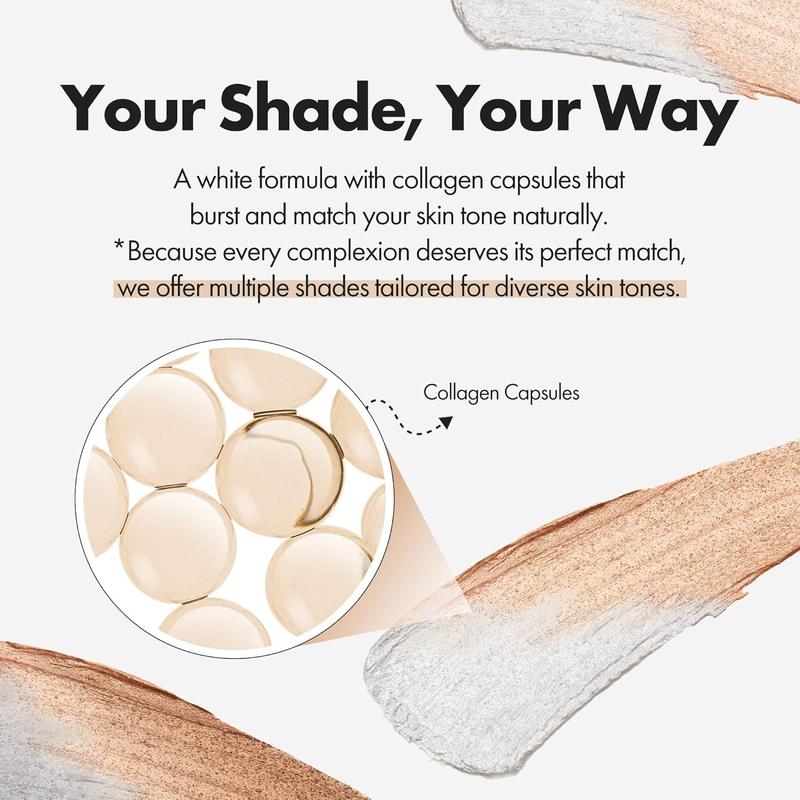
Genuine individual skin chemistry adaptation, niacinamide and collagen, stick format with integrated brush. The step up from the budget entry point.
See the ProductWhere Vima Makes Sense
Vima makes the most sense as a first exposure to the color changing concept for someone who is genuinely skeptical and not ready to spend more than $15 to test whether adaptive foundation is interesting to them. At that price, the cost of a disappointing purchase is low.
If you have warm light skin, want very sheer coverage, and are mostly curious about whether foundation can shift color on skin contact, Vima will demonstrate the concept. Whether it demonstrates it well enough to answer the question properly is a separate issue.
Where Vima Does Not
If you want a genuine match to your undertone, Vima's warm-shift-for-everyone mechanism is not the right tool. If you want buildable coverage above very sheer, the formula is not capable of it. If the application experience matters to you (precision, hygiene, no mess), a watery liquid without an integrated applicator tool is the most friction-heavy option in the category.
"Budget color changing foundations introduce people to the concept. What they rarely do is demonstrate it well enough for the concept to get a fair trial."
The Comparison Point
Comparing Vima to a well-formulated adaptive foundation stick is not entirely fair because they are at different price points with different design priorities. The fairer comparison is between Vima and other products at its own price point.
At $10-18, Vima competes with TLM and similar budget market entries. TLM has more consistent positive reviews and a better application experience despite also being a liquid. Vima's watery formula and quality-control variability make it harder to recommend even within its own price tier.
If the budget is flexible at all, the step from $15 to $25-30 buys a significantly different product experience in the color changing foundation category. The question is whether the additional investment makes sense for you specifically. For most people who have already tried a budget option and found the concept compelling but the execution underwhelming, the answer is yes.

Adaptive Foundation That Adapts to You
pH-responsive to your individual skin chemistry, not just warm-shifting for everyone. The result that budget entries are gesturing toward.
See the ProductA Note on Quality Signals
When evaluating any budget color changing foundation, a few quality signals are worth checking quickly before buying. First, does the brand publish a full ingredient list? Brands that do not publish ingredients are harder to evaluate. Second, are there substantial long-term use reviews (three months or more), or only short-term first impressions? Third, is there consistent quality across purchase batches, or do reviews mention significant variation between purchases?
Vima fails on at least two of these three. Ingredient information is inconsistently published, and batch consistency is flagged in reviews. These are things that matter more over time than they do in a first purchase, which is part of why the repurchase rate in this product category tends to be low for budget options.
Ready When You Are Done Testing the Waters
Five shade ranges, pH-adaptive pigments, niacinamide, collagen, integrated brush. For when you want the concept to actually work.
See the Product